

The paint protection film category is getting crowded and, at first glance, every brand promises the same things: high clarity, self healing, chip resistance, long term gloss. But when you look past the marketing language and into how the films are built, how they perform under real environmental stress, and how they are presented to installers and resellers, you start to see two very different philosophies. This comparison looks at XTTF Quantum PPF from Boke and Quantap PPF from Quanta, and evaluates which platform delivers more long term value for owners, detail studios, fleets, and distributors.
Brand background and positioning
XTTF(https://www.bokegd.com/), under Boke, positions itself as a manufacturer-driven platform rather than a single-film brand: in-house TPU production, customizable specs for partners, hydrophobic chemistry, room-temperature self healing, and dedicated products for both painted panels and the windshield. Its lineup spans Quantum PLUS, Quantum PRO, matte and gloss black restyle films, and windshield impact armor, so it’s selling a full protection system.
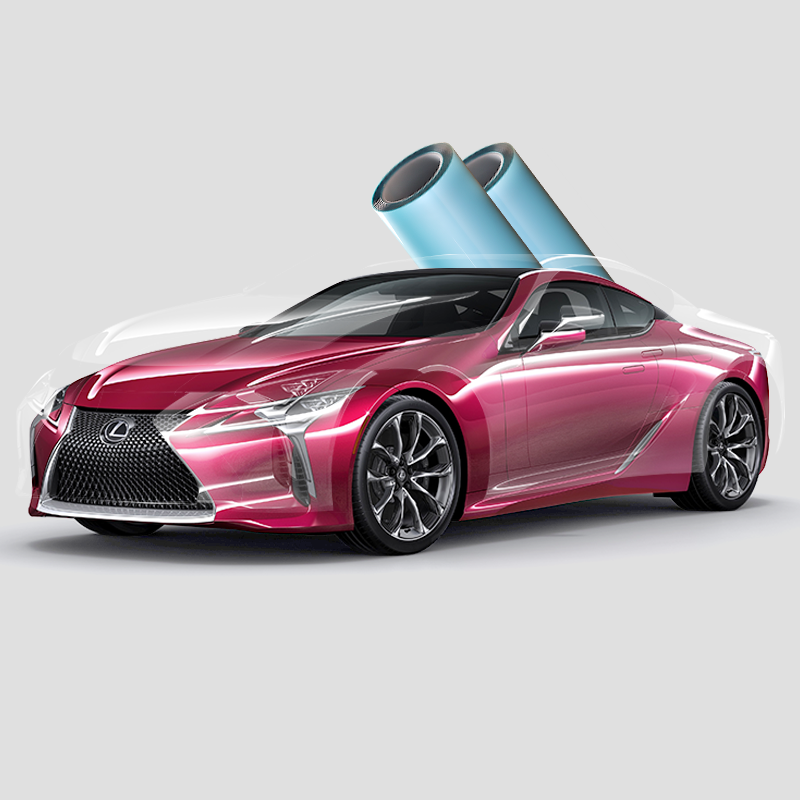
Quanta(https://www.quantappf.com/) presents itself as a USA-engineered PPF brand with manufacturing roots in India, focusing its message on clarity, UV stability, self healing, chip and scratch defense, and warranty-backed trust.

Material engineering and optical clarity
Both XTTF and Quanta use TPU film to shield high-impact panels — bumper, hood edge, mirrors, rocker panels — so chips and salt hit the film, not the factory clear. That part is standard. The difference is how each brand treats appearance. XTTF positions Quantum PLUS / PRO as engineered surfaces: high clarity, high brightness, gloss amplification, and even a subtle ID tint so installers can verify it’s a premium install. It also sells matte stealth and gloss black TPU options, treating PPF not only as protection but as finish control and styling. Quanta’s message is more classic luxury detailing: crystal clear, virtually invisible, keep-the-car-new shine under UV. In short, XTTF sounds like a materials lab that can tune finish on purpose; Quanta sounds like a showroom brand promising “still looks new.
Self healing and real world surface recovery
Self healing is now standard language in PPF, but how it actually behaves on the car still separates brands. XTTF says its Quantum series can self heal at room temperature, so typical wash swirls, fingernail marks, and light dust abrasion on dark paint relax and clear without added heat and without the cloudy soft-focus look cheaper films can leave. The claim is continuous, passive recovery back to a smooth, bright surface.
Quanta also promotes self healing, positioning its film as an invisible shield that resists scratches, fixes minor marks, and keeps a freshly detailed gloss. Both are selling automated surface recovery, but the emphasis is different: XTTF talks about the mechanism — elastomeric top coat, passive healing, less visible swirls — while Quanta talks about the outcome — looks new, looks polished, stays glossy.
Environmental durability and chemical resistance
Real driving conditions are not a photo studio. They’re winter road brine, acidic bug impact at highway speed, gravel kicked up by construction trucks, salt air near the coast, desert-level UV, blowing sand, sudden hail. A serious film has to handle all of that without yellowing, hazing, or lifting at the edges.
XTTF says its Quantum series uses a corrosion-resistant nano top coat to resist acid, alkali, and salt. It also promotes a hydrophobic surface that helps repel dirty water and reduce spotting. The brand claims stability in harsh climates — coastal salt air, deep cold, high heat, even sandstorm-style abrasion — and stresses anti-yellowing under strong UV so the film stays optically clear over time.
Quanta’s messaging leans more on durability and reliability under normal road stress. It highlights chip resistance, scratch resistance, UV protection, and long-term gloss, and it reinforces that with warranty language so the buyer feels protected.
Product range and system thinking
This may be the most important practical divider. XTTF approaches surface protection as a vehicle wide system, not a single product. On its catalog, you can find clear gloss Quantum PLUS and Quantum PRO, matte stealth finishes, deep black gloss and matte films for restyle, and windshield armor film around 8.5 mil targeting front glass impact. The windshield film is marketed specifically for high speed debris and daily strike zones on the front glass, which is exactly what many drivers mean when they search for front windshield tint even if they are actually looking for a transparent impact layer and not a dark shade.
Quanta currently positions Quantap PPF as the core asset. The messaging is consistent: a single flagship film that is durable, self healing, UV resistant, and optically clean. The film is described as an invisible shield against scratches, stone chips, and road debris, meant to keep paint looking brand new.
That difference matters to installers. XTTF is effectively selling a menu that covers bumper, hood, mirror caps, rocker panels, color restyle panels, and the windshield strike zone. Quanta is selling a hero film to wrap painted panels. One is an ecosystem pitch. The other is a hero product pitch.
Dealer support and commercial fit
When shops choose a supplier, it’s not just about how the film looks — it’s about who helps them sell, avoid headaches, and stand out. XTTF speaks directly to installers and distributors: it highlights its own factory, advanced TPU production, customization options, and clear “Become a Dealer” onboarding, which feels aimed at global paint protection film suppliers, private label partners, and shops that want to build full vehicle protection packages (paint, glass strike zones, restyle finishes). Quanta leans into premium retail language: warranty-backed clarity, self healing, UV defense, high gloss, professional install, and “keeps your car looking new.” Its messaging is owner-facing and lifestyle driven. Put simply, XTTF positions itself like a manufacturing partner for shops that want to upsell full-system protection, while Quanta positions itself like a prestige product that a tint/detail studio can sell as its hero clear PPF with warranty to image-conscious clients.
The concept of paint protection film (PPF) has shifted from making paint shine to protecting paint from damage. Today, the real winners are systems that can: 1) absorb impact at high speeds to prevent peeling and chipping of exposed paint; 2) maintain optical clarity and resist yellowing under UV, salt spray, or high temperatures; and 3) preserve the resale value of the original finish years later. XTTF treats these goals as engineering: Quantum PPF offers gloss, matte, restyle finishes, and even windshield strike protection, and positions itself as a manufacturing partner for dealers and paint protection film suppliers who want a complete vehicle protection package. Quanta frames PPF as a high-end retail upgrade: high clarity, self-healing behavior, and warranty-backed confidence. For car owners, installers, and fleets, the question is no longer which film looks better today, but which solution will keep you out of repaint bills, glass replacement, and forced depreciation later. For more on the XTTF Quantum PPF line, including gloss, matte, and windshield impact options, please visit the XTTF website.
Post time: Oct-29-2025


