

In recent years, sustainability has become a central concern in commercial and residential architecture. Developers, architects, and property managers face increasing pressure to reduce energy consumption while creating comfortable, aesthetically pleasing spaces. Among the emerging solutions, smart glass films, particularly pdlc smart glass film, have garnered significant attention. These advanced materials provide dynamic control over natural light and privacy, offering a unique way to enhance building performance and support green building certifications. Known in the industry as electronic curtains, these films are revolutionizing how spaces are designed, operated, and experienced.
The Technology Behind Smart Glass Films
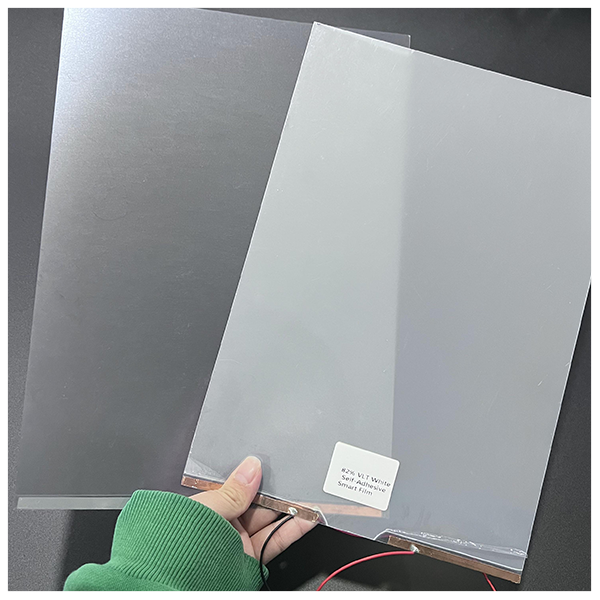
Smart glass films utilize polymer-dispersed liquid crystal technology to modulate the transparency of glass. When an electric current is applied, liquid crystal molecules align, allowing light to pass through and creating a fully transparent surface. When the current is turned off, the molecules scatter, rendering the glass opaque and providing immediate privacy. Unlike conventional blinds or curtains, these films integrate directly onto or between glass panels, maintaining clean lines and modern aesthetics.
The combination of transparency control and seamless installation makes pdlc smart glass film particularly suitable for high-performance buildings. It allows spaces to adapt to user needs without compromising design or daylight exposure. This adaptability is critical in offices, hospitals, hotels, and luxury residences where both privacy and daylight are highly valued.
Energy Efficiency and Sustainability Benefits
While pdlc smart glass film requires a small amount of electricity to switch between transparent and opaque states, its energy impact is minimal compared to the savings it generates. By dynamically controlling the amount of natural light entering a space, smart glass films reduce the reliance on artificial lighting during daytime hours. This reduces electricity consumption from lighting systems, which can account for a significant portion of building energy use.
Moreover, by controlling glare and the intensity of sunlight entering a room, the film helps maintain a more stable indoor temperature, reducing the load on heating, ventilation, and air conditioning systems. Offices, hotels, and residential buildings can therefore operate more efficiently, lowering overall energy costs while maintaining occupant comfort. The combination of natural daylight management and electric opacity control makes electronic curtains a practical tool for sustainable architecture, supporting green building objectives such as LEED and BREEAM certification.
Practical Applications in Modern Architecture
Smart glass films have a wide range of applications across building types. In commercial offices, they enable open-plan spaces to maintain daylight while offering privacy in conference rooms. Occupants can adjust transparency instantly, improving comfort and reducing glare on screens. In hotels and healthcare facilities, dynamic glass enhances privacy for guests and patients while maintaining a sense of openness and natural light.
Retail environments also benefit from pdlc smart glass film, as storefronts can switch between clear and opaque states, controlling product visibility and store temperature. In high-end residential buildings, homeowners enjoy the dual benefits of daylight and privacy, all without the need for bulky curtains or blinds. Integrating smart glass with building automation systems allows for further energy optimization, ensuring that spaces are both sustainable and adaptable.
Beyond energy and privacy, smart glass films contribute to modern design aesthetics. The clean, frameless look aligns with contemporary architectural trends, making it suitable for both interior and exterior applications. Designers can create spaces that feel open and inviting, while still offering instant privacy. The versatility of opacity levels allows customization for different rooms and functions, giving architects and property owners greater control over both functionality and visual appeal.
Long-Term Value and ROI
Investing in smart glass films delivers measurable long-term benefits. Reduced energy costs, improved occupant satisfaction, and enhanced building performance all contribute to increased property value. For developers seeking to differentiate projects in competitive markets, smart glass offers a tangible selling point. Additionally, as sustainability requirements become stricter worldwide, incorporating advanced technologies like pdlc smart glass film ensures compliance and future-proofing of building assets.
Smart glass films are transforming the way buildings approach sustainability, privacy, and design. By offering dynamic control over light and opacity, electronic curtains provide a flexible solution that enhances energy efficiency, occupant comfort, and aesthetics. For architects, developers, and facility managers pursuing green building goals, integrating these films is a practical, forward-thinking choice. Among the leading providers, XTTF offers high-quality pdlc smart glass film that combines performance, reliability, and modern design, making it a compelling option for projects aiming to achieve measurable sustainability outcomes.
Post time: Oct-16-2025


