Introduction
Modern glass buildings are designed to bring in more daylight, create open views, and make interiors feel brighter and more spacious. However, without proper light control, large glass surfaces can also create glare, heat, privacy concerns, and visual discomfort in homes, offices, hotels, and commercial spaces.
Why Modern Glass Buildings Create More Glare Problems
Glass has become one of the most important materials in modern architecture. Floor-to-ceiling windows, glass partitions, storefront façades, office curtain walls, and bright open-plan interiors are now common in residential and commercial buildings. These designs look clean and modern, but they also allow more sunlight to enter the space throughout the day.
Glare happens when there is too much brightness or contrast within a person’s field of vision. In a glass building, this can come from direct sunlight, reflected light from nearby buildings, or strong daylight bouncing off floors, walls, desks, and screens. The larger the glass area, the harder it becomes to control brightness with ordinary curtains or blinds alone.
This is why glare is not just a minor inconvenience. It is a common design challenge in spaces that depend heavily on glass. The goal is not to block all natural light, but to manage it in a more balanced way.
How Glare Affects Visual Comfort, Work Efficiency, and Indoor Experience
Glare directly affects how people use a space. In offices, it can make computer screens difficult to see, causing employees to adjust their sitting position, lower their screen brightness, or close blinds during working hours. Over time, this may lead to eye strain, fatigue, and reduced concentration.
In meeting rooms, glare can interfere with presentations, video calls, and display screens. In hotels and serviced apartments, strong sunlight can make guest rooms uncomfortable during certain hours. In retail stores, glare on glass displays or product shelves may affect the way customers view merchandise. In homes, it can make living rooms, kitchens, and study areas less comfortable, especially during morning or afternoon sun exposure.
The problem is that glare often appears at specific times of the day, depending on sun direction and building orientation. A room may feel comfortable in the morning but become too bright in the afternoon. This makes permanent structural changes difficult, which is why flexible glass-surface solutions are increasingly valuable.
The Difference Between Natural Light, Harsh Sunlight, and Uncontrolled Glare
Many building owners want to keep natural light because it improves the atmosphere of a room and reduces the need for artificial lighting during the day. The problem is not daylight itself. The real problem is harsh, uncontrolled light.
Natural light is soft, balanced, and comfortable. Harsh sunlight is direct, intense, and often accompanied by heat. Uncontrolled glare occurs when this intense light enters the room without diffusion or filtering, creating excessive brightness and strong contrast.
This distinction is important for choosing the right solution. Heavy curtains may block glare, but they also make interiors darker and reduce the open feeling of glass. Blinds can be adjusted, but they often create uneven light patterns and require constant manual operation. A frosted solar control film provides a more stable approach by softening incoming light while still keeping the space bright.
How Frosted Solar Control Window Film Helps Reduce Glare and Improve Privacy
Frosted solar control window film is designed to improve the way glass performs in everyday spaces. Instead of leaving sunlight completely uncontrolled, the film helps diffuse strong light, reduce direct glare, and create a softer visual environment. For offices, this can make workstations, meeting rooms, and glass partitions more practical. For homes, it can make bright rooms more comfortable without fully closing off daylight.
The frosted white appearance also adds privacy. This is especially useful for office glass walls, bathroom windows, clinic partitions, hotel spaces, storefront interiors, and residential windows facing neighboring buildings. It helps reduce visibility through the glass while maintaining a clean and modern look.
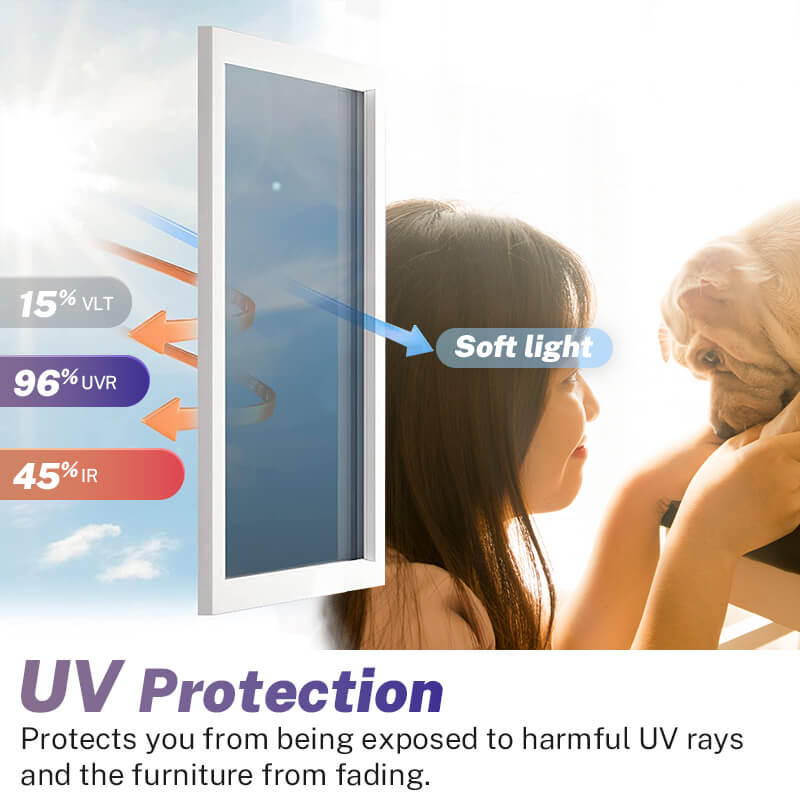
As part of the broader category of window solar films, frosted solar control film can also support heat reduction and UV protection. This makes it more than a decorative surface. It becomes a functional upgrade for glass, combining light control, comfort, privacy, and interior protection.
Why Glare Control Window Film Is a Practical Upgrade for Homes, Offices, and Commercial Projects
For property owners and project contractors, glare control film is practical because it upgrades existing glass without replacing the window system. This is important in renovation projects, office fit-outs, retail stores, hotels, schools, clinics, and residential buildings where glass replacement may be expensive, disruptive, or unnecessary.
The film can be applied to different glass surfaces and selected according to the project’s needs. For example, a workspace may need glare reduction and screen comfort. A hotel may need privacy and soft daylight. A retail store may need a cleaner glass appearance while protecting the indoor shopping experience. A residential project may need a balance of privacy, comfort, and daylight.
For importers and distributors, frosted glare control film is also easy to position in the market. It is not limited to one narrow use. It can serve residential users, office projects, commercial decorators, glass installers, contractors, and building-material suppliers. A reliable wholesale window film product line should therefore highlight not only price, but also stable quality, roll specifications, customization options, installation convenience, and application versatility.
Glare is a common problem in modern glass buildings because large glass surfaces allow more direct and reflected sunlight to enter interior spaces. Frosted solar control window film offers a practical solution by reducing harsh glare, improving privacy, supporting indoor comfort, and upgrading existing glass without major structural changes.
For homes, offices, hotels, retail spaces, and commercial projects, this type of film provides a balanced approach to daylight management. It allows buildings to keep the brightness and modern style of glass while solving the comfort and privacy problems that untreated glass often creates.
References:
1. U.S. Department of Energy — Energy Efficient Window Coverings
2. U.S. Department of Energy — Window Types and Technologies
3. International Window Film Association — UV Protection
4. ISO 9050:2003 — Glass in Building: Determination of Light and Solar Transmittance
Post time: May-28-2026